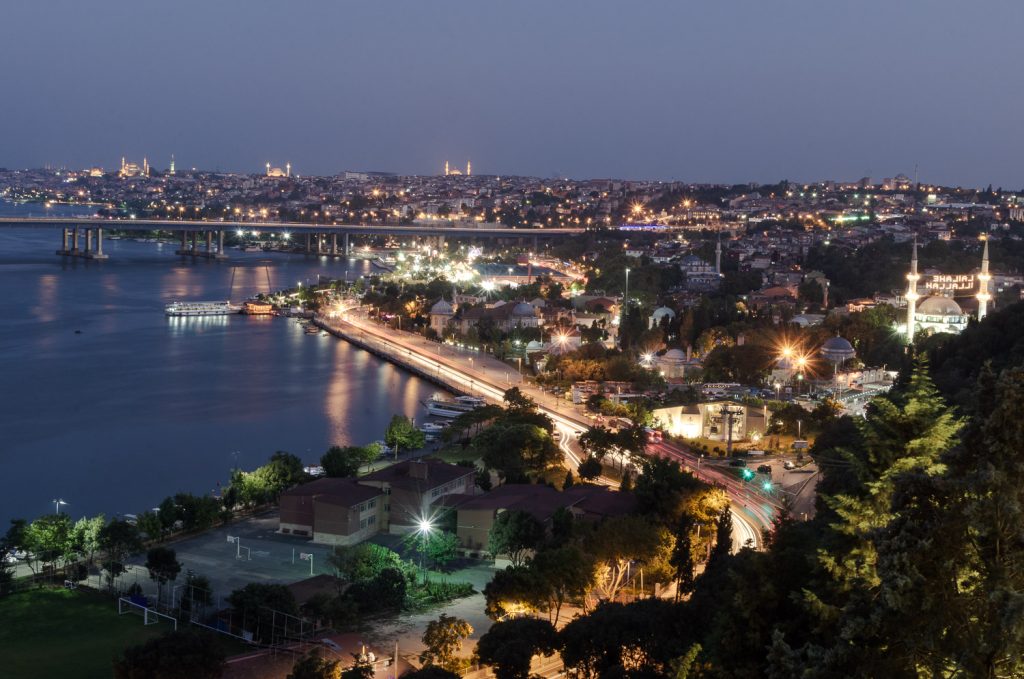

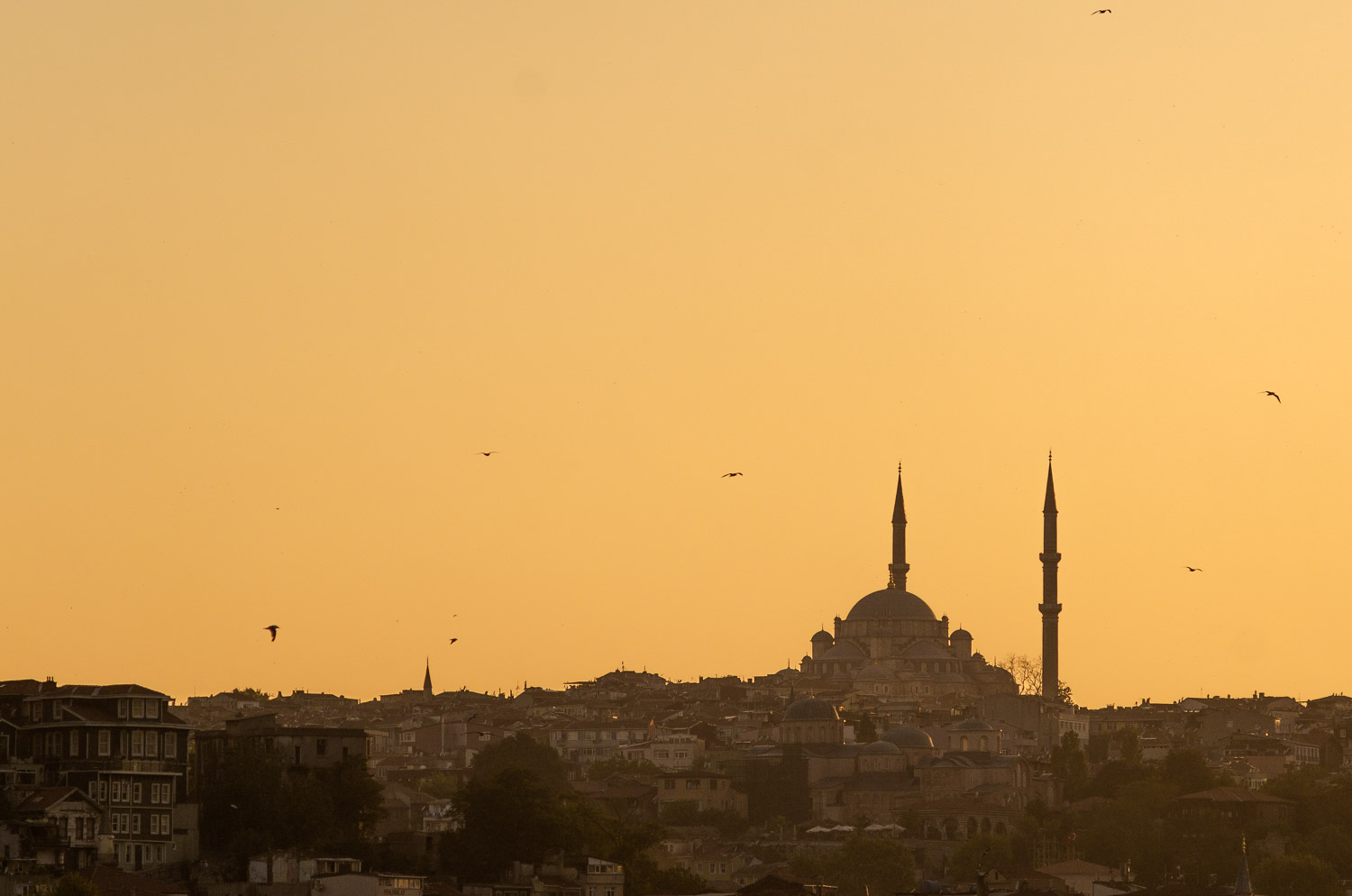
4-day trip to Istanbul, the city of cats and mosques
Istanbul is a huge city where you could spend weeks visiting and discovering historical sites and Turkish cuisine. But for my first experience at the crossroads between Europe and Asia, I decided to take a 4-day trip to Istanbul to discover the country on the one hand and visit the main historical sites on the other.
Of course, four days in Istanbul is far too short to do everything there is to do. But I like to take short trips to big cities before returning for a longer visit.
Istanbul is an open-air museum, but it is also a lively city. Its population is active, and there is always something going on in its crowded streets and markets. I also discovered that Istanbul is a city of cats. Many of them live on the streets of the city. But they have a special place in the hearts of the locals, and that’s what we’re going to tell you about.
This travel diary recounts my few days in Istanbul. A trip too short to discover everything, but long enough to see the essentials and feel the soul of the city.
A 4-day trip to Istanbul to visit historical sites
Istanbul is a historic crossroads that has always been the scene of conflicts between the major empires of Europe and the East. The city experienced the Crusades and endless sieges before the Ottoman Empire seized it and made it its capital.
Istanbul’s historical remains are a testament to this history. Today, the city has 3,000 mosques, more than 150 churches, and 18 synagogues. These figures are impressive for a single city, but they are indicative of its richness and diversity.
During my four days in Istanbul, I was starry-eyed, as the historical sites are so impressive in their imposing size and beauty. There is an old-world atmosphere, it was like travelling back in time.
However, my first piece of advice would be to avoid visiting at peak times. The queues can be endless! The best thing to do is to visit the most popular sites, such as the Blue Mosque or Hagia Sophia, early in the morning. During my trip to Istanbul, I noticed that the historical sites were completely empty when they opened. I even went to the Blue Mosque at 6 a.m. to enjoy the solitude in its courtyard.
The Sultanahmet district in Istanbul
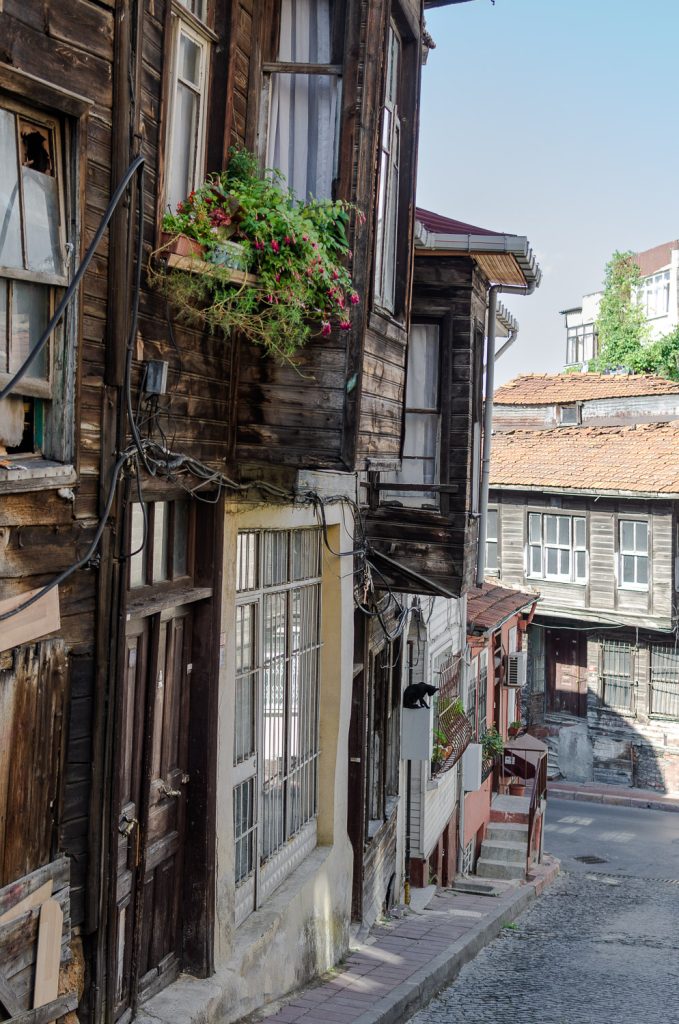
Sultanahmet is the heart of Istanbul, the historic district where Turkey’s most famous monuments are located, such as the Blue Mosque, Hagia Sophia and Topkapi Palace. It is quite easy to get to this district by tram (tickets cost around $0.60). Personally, I visited the district on foot. Long walks through the streets of Sultanahmet allow you to discover the city better and soak up its special atmosphere.
Visiting the Sultanahmet district, its architecture and monuments took up more than half of my time in Istanbul; this district is worth a trip in itself. My only regret is that I went to a restaurant in the neighbourhood before realising that there were almost only tourist restaurants in the area. For Turkish cuisine, I recommend going to more popular neighbourhoods such as Beşiktaş or Galata.
So don’t hesitate to stroll through the historic district, sit on a bench early in the morning and admire the magnificent lights and calls to prayer that echo throughout the city. Who knows, a curious little cat might come and keep you company.
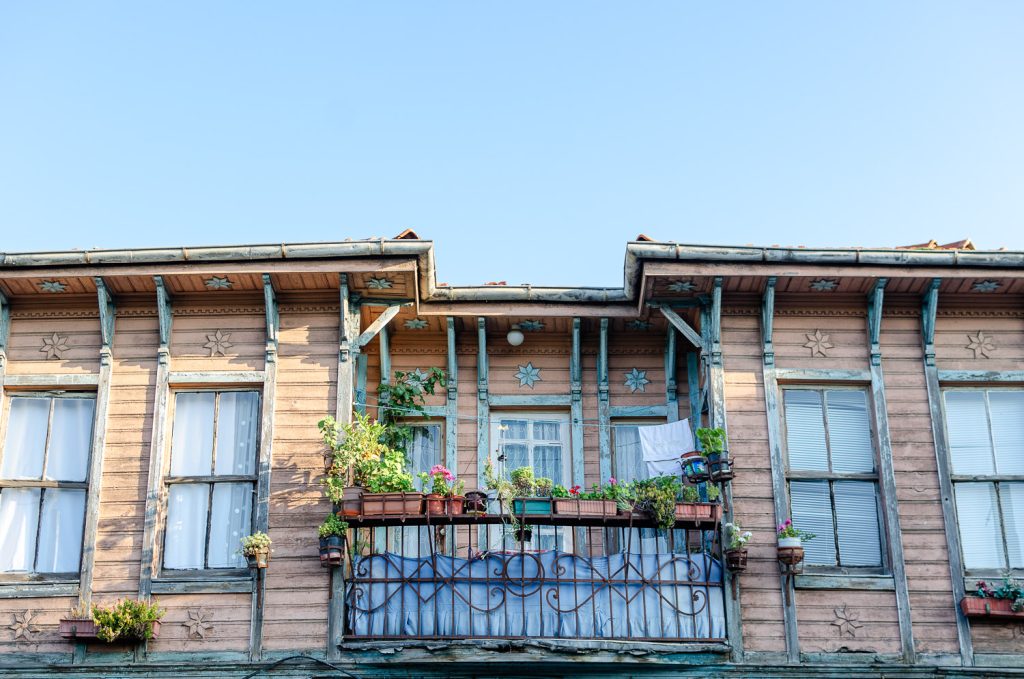
The Blue Mosque or Sultanahmet Mosque
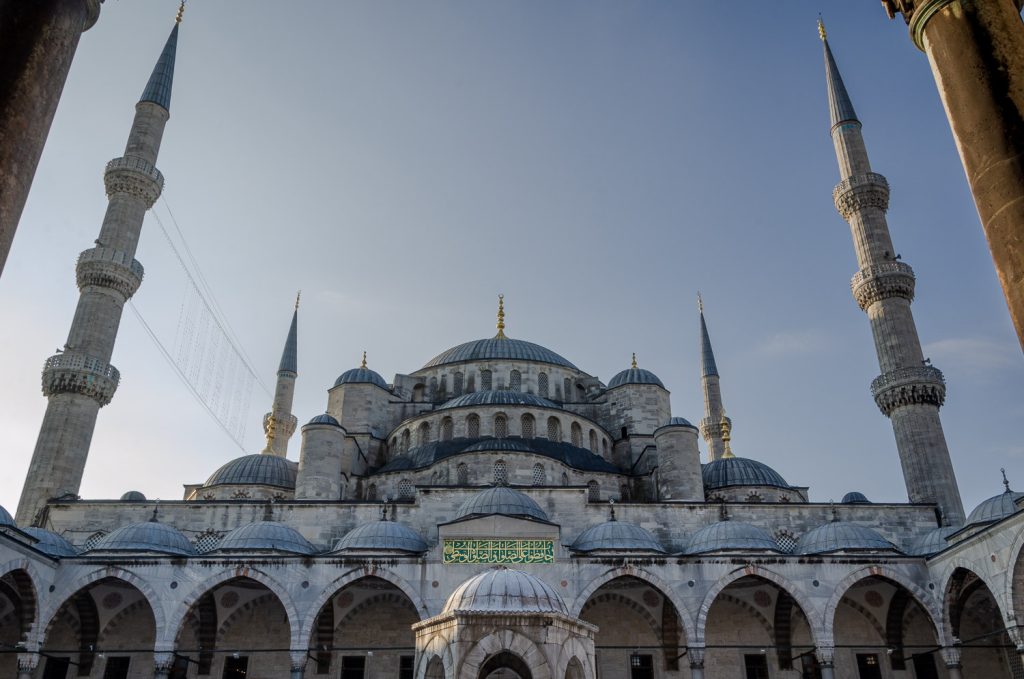
The Sultanahmet Mosque, also known as the Blue Mosque, is undoubtedly Turkey’s most famous mosque. It was built in 1616 during the reign of Sultan Ahmet I, after whom it is named. This mosque is one of the few in the world to have six minarets.
The Blue Mosque was built opposite Ayasofya, or Hagia Sophia, which was then a mosque. Eight works from that period describe the construction of this mosque in detail. These works are now kept at the Topkapi Palace in Istanbul, which I was lucky enough to visit.
In fact, the Blue Mosque was built to compete, in a way, with Hagia Sophia. King Ahmet I wanted to display the grandeur of the Ottoman Empire with this building, in contrast to Hagia Sophia, which was a mosque at the time but had been built as a church by Christians.
From the outside, the Blue Mosque is rather greyish and sober. I thought it was much more sober than most of the mosques I had seen. But once inside, I discovered the blue ceramic tiles from which the mosque takes its name. I was familiar with Ottoman architecture in Algiers, and I found the same style here, only more grandiose. It must be said that the result is very beautiful. In addition to the ceramics, the stained glass windows, calligraphy, blue paintings, and, to a lesser extent, the gilding make this mosque a unique religious building. I spent hours there observing the small details and looking for imperfections, signs of craftsmanship.
The Blue Mosque is undoubtedly one of the three most important places to visit on a trip to Istanbul.
The mosque and church of Hagia Sophia or Hagía Sophía
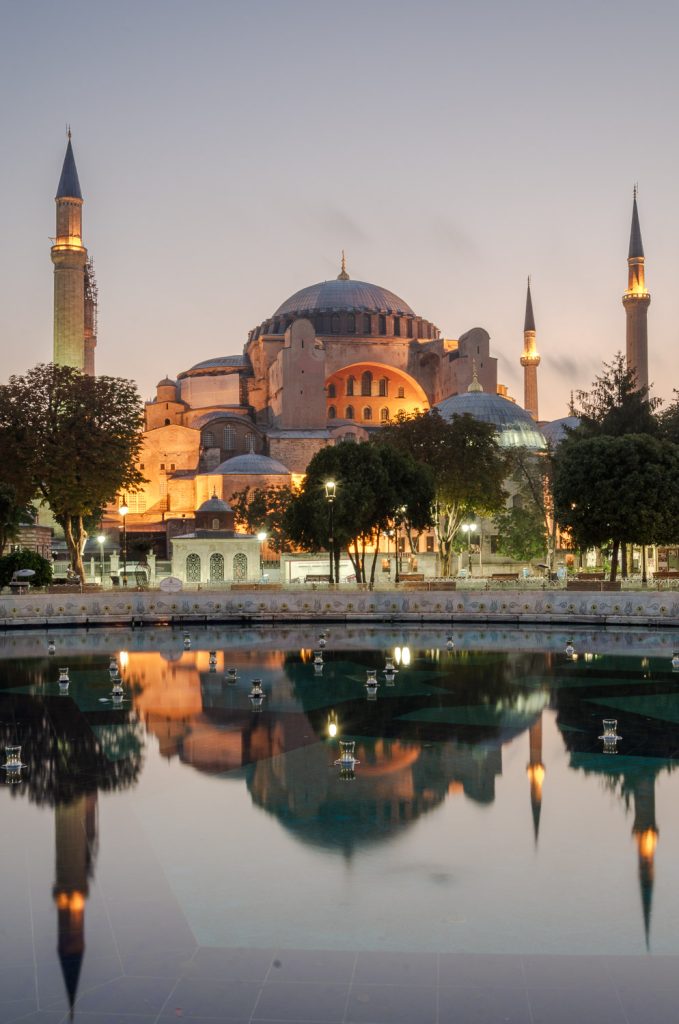
Hagia Sophia, or Ayasofya in Turkish, is a former Byzantine church that has been used as a mosque since 2020.
Hagia Sophia is one of the most important churches in the world. Built in the 6th century by the Byzantines, it is one of the most visited historical sites in Turkey.
Hagia Sophia Church is a symbol of the Crusades, Constantinople, and its capture by Ottoman troops. I should point out that when I visited Ayasofya, it was still a museum. This museum was created by Mustafa Kemal Atatürk, the founder of modern Turkey. But in 2020, a decree by President Erdogan authorised its use as a mosque once again.
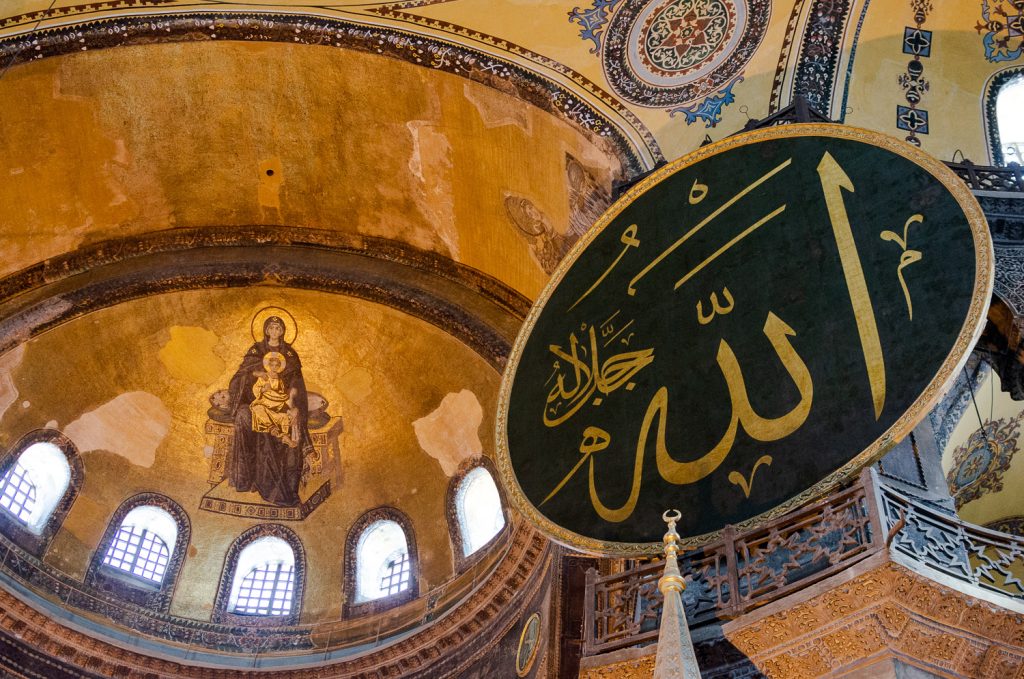
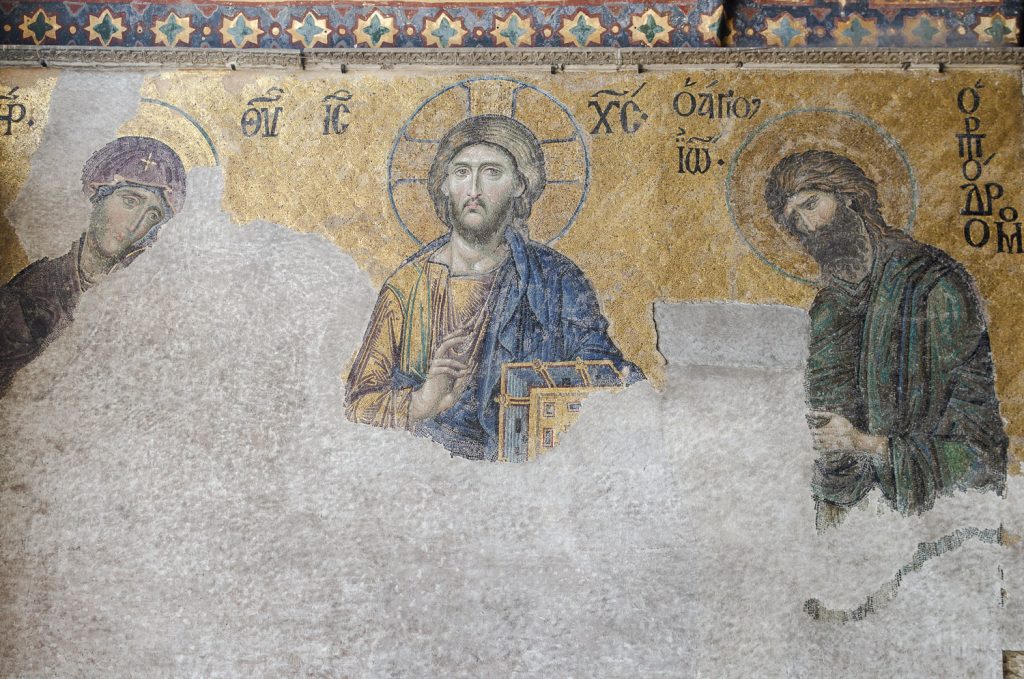
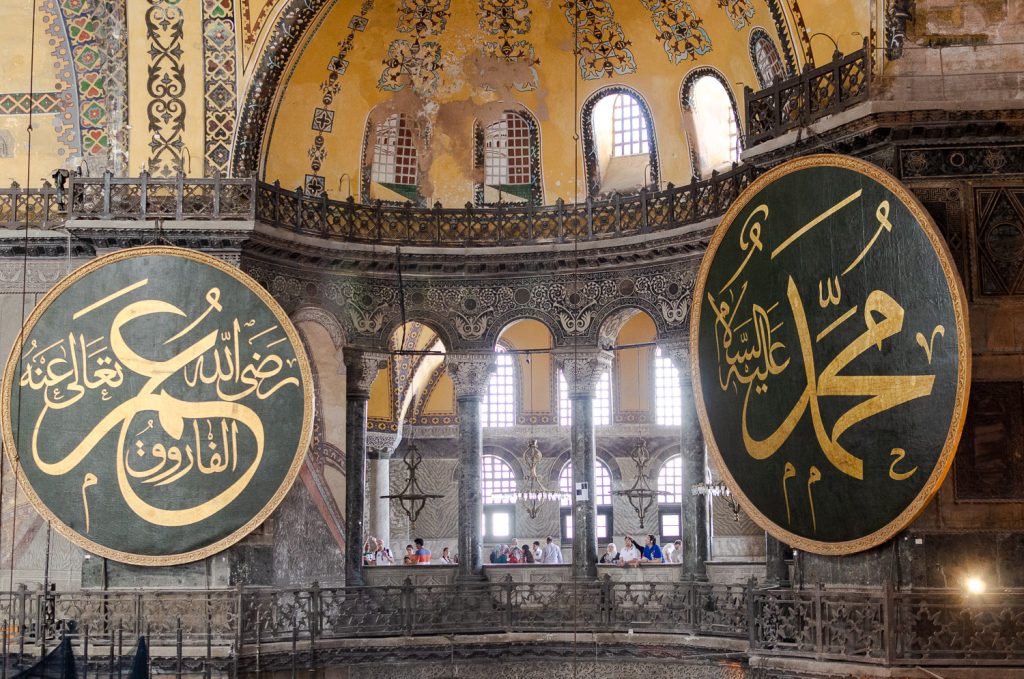
When I entered Hagia Sophia, the first thing that struck me was the ceiling, which features a fresco and calligraphy side by side. The fresco depicts the Virgin Mary and Jesus, while the calligraphy on either side of the fresco represents the Muslim name for God, Allah, and his prophet Muhammad. It was the first time I had seen Christian and Muslim symbols preserved side by side. The symbolism is powerful, and I find this place to be unique in the world.
However, the state of conservation of Hagia Sophia is worrying. High visitor numbers, humidity, and successive earthquakes have greatly damaged this historic site, which is listed as a UNESCO World Heritage Site. As I left Hagia Sophia, I thought to myself that I had just visited an important historical site that might disappear. This is especially true given that Istanbul is located in an earthquake zone.
The Basilica Cistern in Istanbul
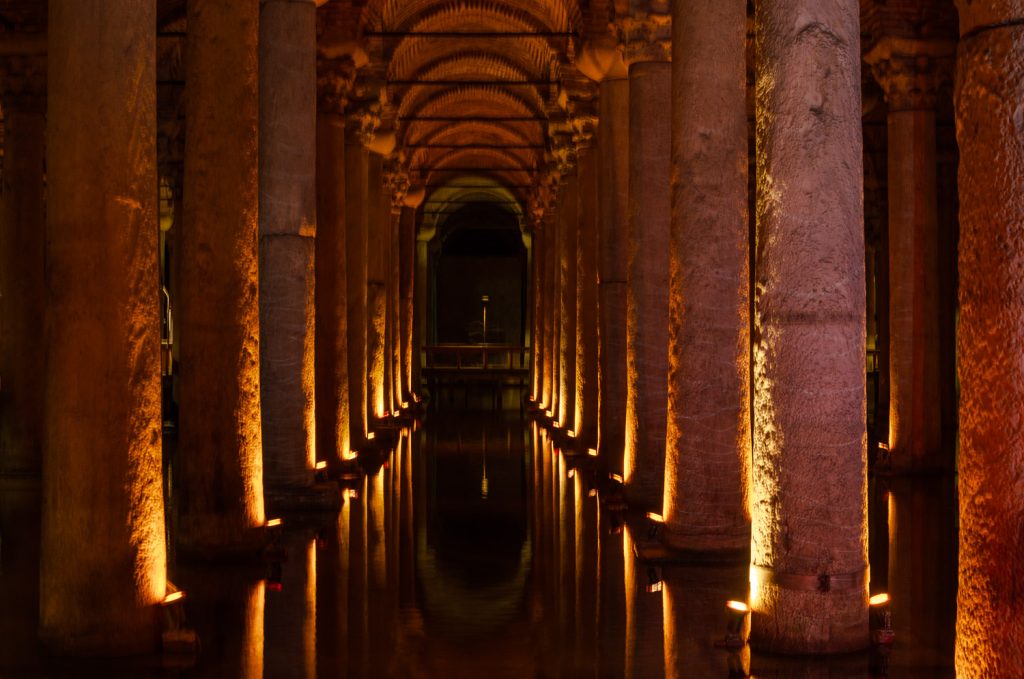
The Basilica Cistern in Istanbul is an extraordinary place! It is one of the most impressive monuments in the city, and even in Europe. It was built by the Roman Emperor Justinian in 532. It is therefore one of the remains of the Byzantine Empire in Constantinople and not one of the many remains of the Ottoman Empire.
The Basilica Cistern in Istanbul has a capacity of approximately 78,000 m3, is 138 m long, and 64.6 m wide. The most impressive thing about it is that it was built with 4 m thick bricks covered with a water-repellent material. A real bunker for its time.
In addition to the function of this cistern, the structure itself is worth a visit. I was particularly impressed by the monolithic marble columns. These 8-metre-high columns support the brick vaults.
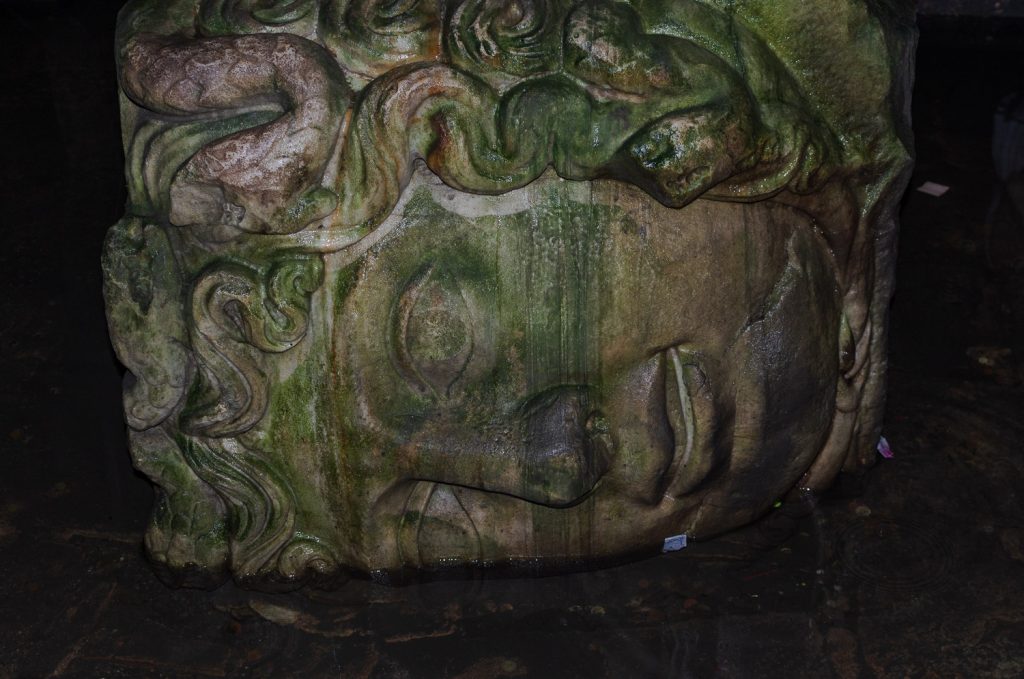
Also, don’t miss the two columns placed on two jellyfish heads, one upside down and the other on its side.
We therefore recommend visiting the Basilica Cistern in Istanbul, unless you are afraid of underground passages and dark places. However, the admission fees are quite high, at around $33 per person.
The Şakirin Mosque, between modernity and tradition
I had to take the ferry across the Bosphorus to reach the Asian side of Istanbul and the district of Üsküdar to visit the Şakirin Mosque. This cultural site is one of the newest in Istanbul, having opened its doors in 2009.
I took the time to make this short trip between Europe and Asia across the Bosphorus because this mosque had been described to me as unusual. And indeed, what I saw there was special, a clever blend of modernity and tradition.
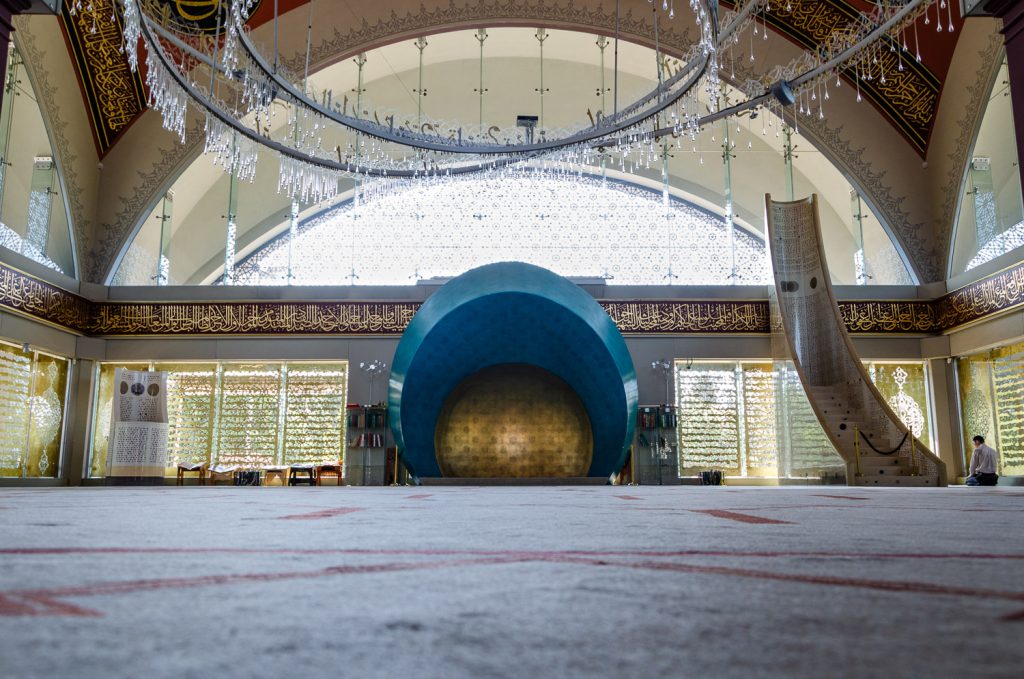
What struck me most about this mosque was the beautiful calligraphy inside, the impressive chandelier with its water drop-shaped lights, and the mihrab. The mosque’s mihrab (which indicates the direction of Mecca) resembled a stargate. Shaped like a golden circle and bordered in blue, it contrasts sharply with traditional Muslim architecture.
The impressive Topkapi Palace
Have you ever dreamed of visiting the official residence of the Ottoman sultan? Topkapı Palace is an architectural gem, a major historical landmark, and one of the most important buildings of the Ottoman Empire. It overlooks the Bosphorus and the Sea of Marmara, offering a unique experience at the heart of the Ottoman era. Topkapı has been listed as a UNESCO World Heritage Site since 1985.
I recommend visiting Topkapı Palace during a 4-day trip to Istanbul. But be warned, you won’t have time to see everything, as the palace is so huge. In the past, more than 4,000 people lived there. Today, it still has more than 100 rooms, but not all of them are open to visitors. We advise you to focus on the essentials to make the most of your time:
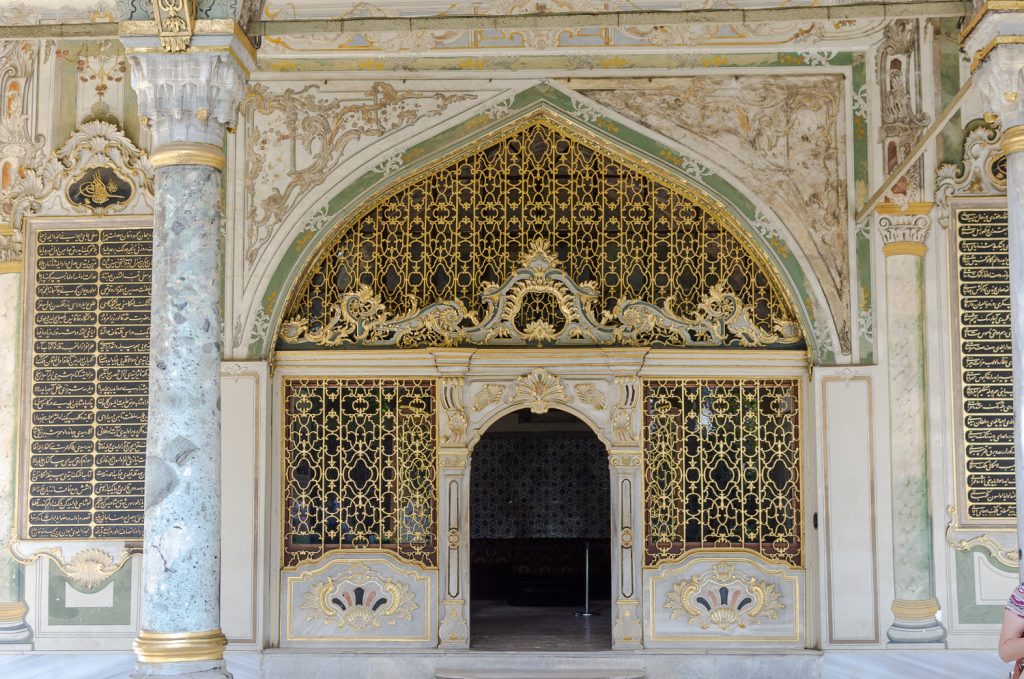
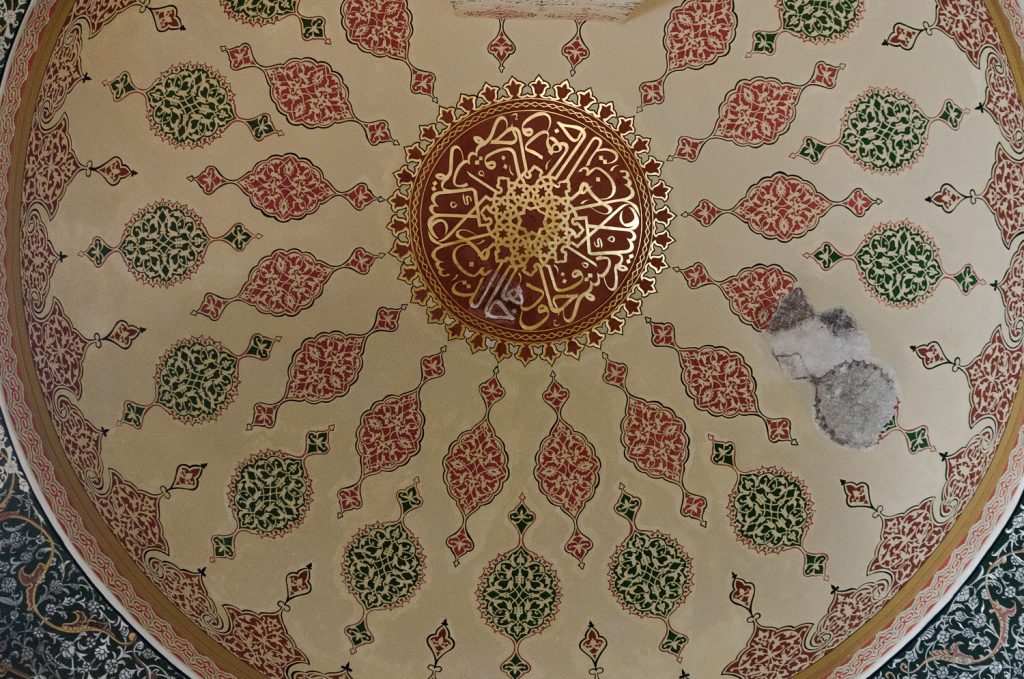
- The Divan Room: one of the most important rooms in the palace, the Divan Room was used for cabinet meetings. Its domes and Rococo-style murals are well worth a visit.
- The Third Courtyard: the heart of Topkapi Palace, the Third Courtyard is surrounded by the most important buildings in the palace, such as the inner treasury, the harem, and the library.
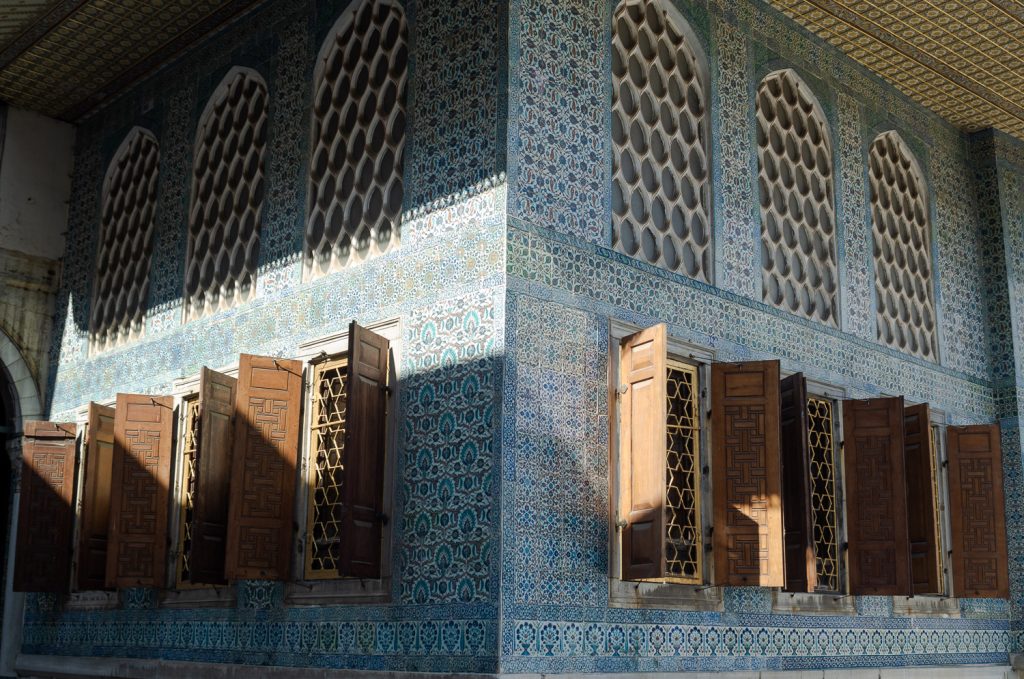
- The valid sultan’s apartments: the porcelain, domes, and paintings are well worth seeing. This is where the official queen of the Ottoman Empire resided.
- The Imperial Gate or Gate of Augustus: a huge marble gate decorated with golden calligraphy that is a must-see!
- The kitchens of Topkapı Palace: this is one of the most impressive buildings in the palace, with its large fireplaces and separate sections (pastry, dairy, etc.).
- The porcelain collection: a collection of over 10,000 works of art from all over Asia. We have never seen anything like it; this collection is a museum in its own right.
- The collection of weapons and armour: This is probably the largest collection of Islamic weapons, with over 400 pieces on display in the former imperial treasury building.
- Gallery of miniatures and portraits: a very interesting gallery with numerous portraits of sultans, but you can also see unique copies of the Koran and the Bible, as well as a map of the world from 1513, created by Admiral Piri Reis on gazelle skin parchment. This map is one of the oldest depicting the American coastline.
If you still have time, you can visit the stables, the tower of justice, the imperial harem, and the courtyard of the eunuchs.
A 4-day trip with the cats of Istanbul
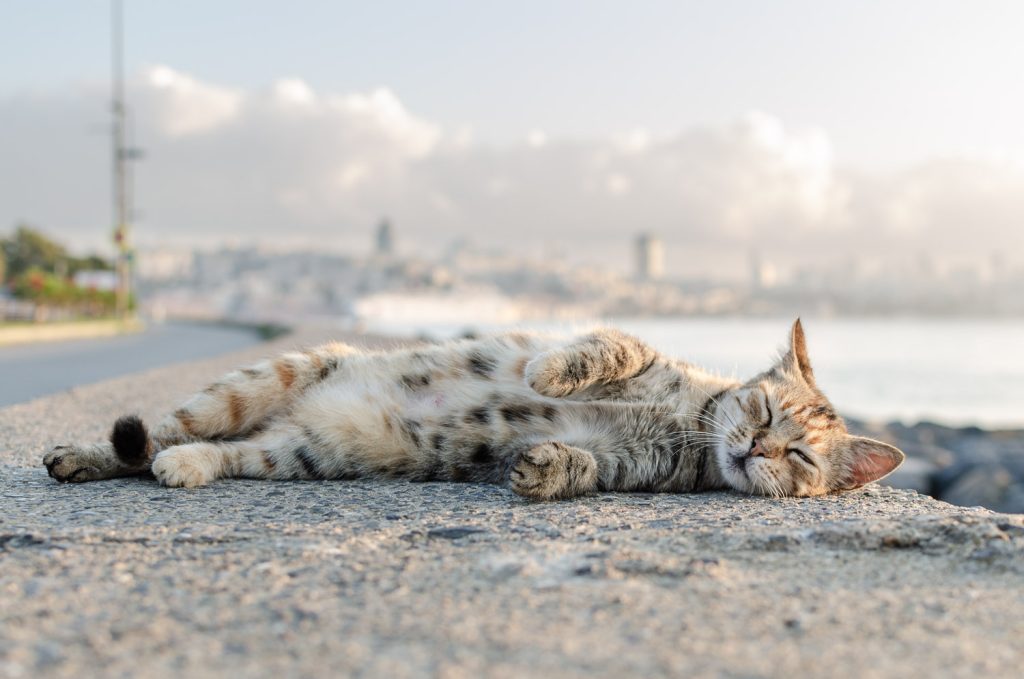
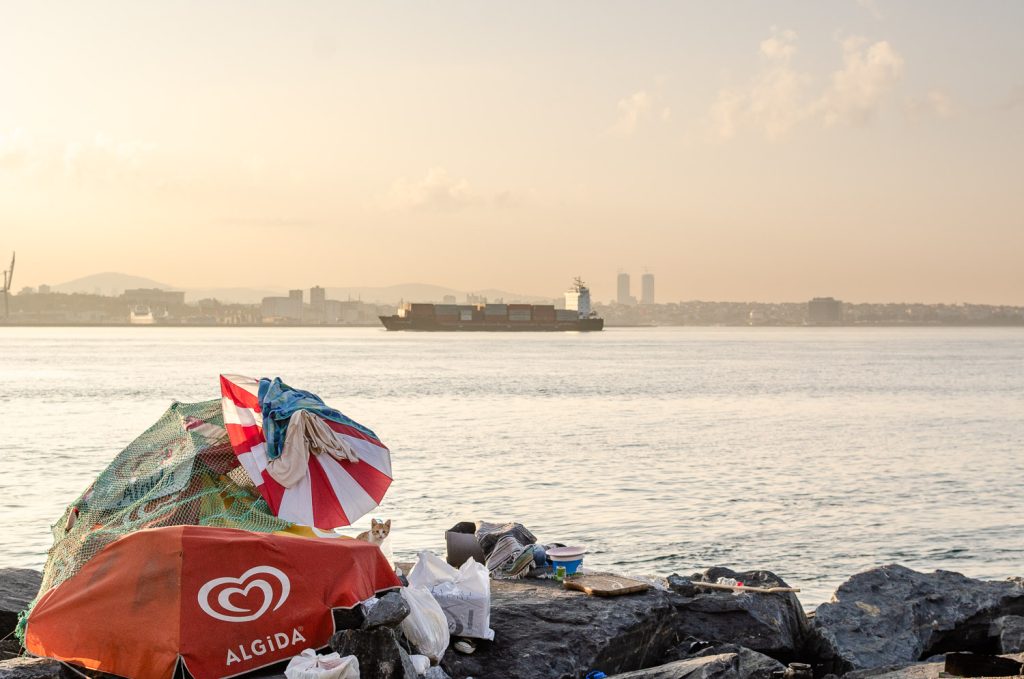
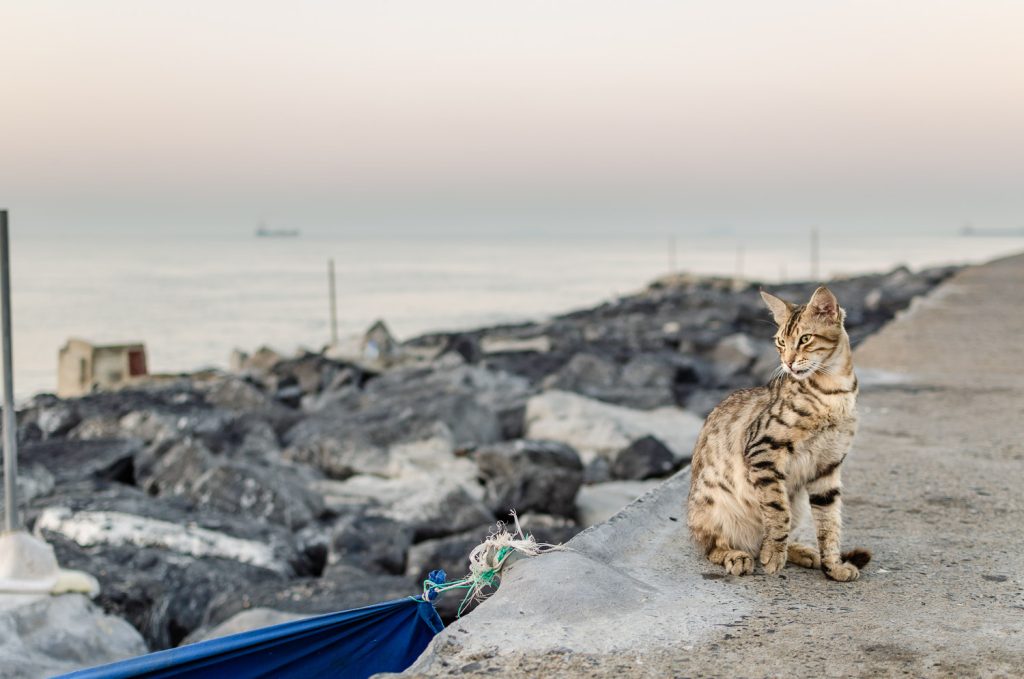
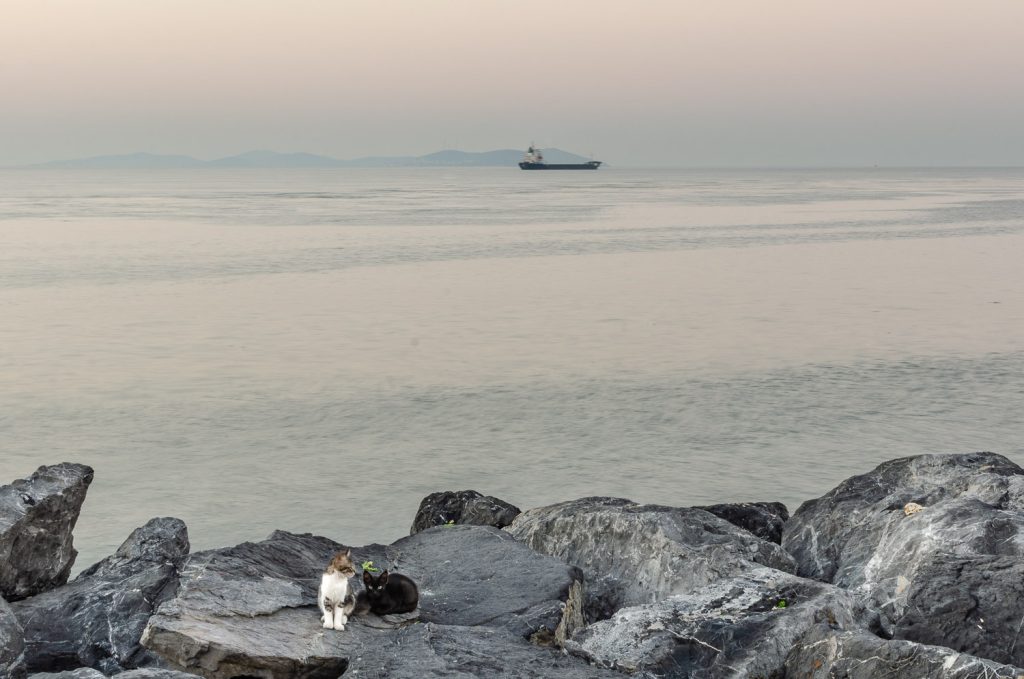
I must admit that when I was planning my four-day trip to Istanbul, I had no idea what to expect. One of the surprises was discovering how many cats live on the streets of the city, but above all, the relationship between the locals and these animals.
Generally speaking, I haven’t seen anything good in cities where there are stray cats. Rather, I saw contempt and mistreatment. But as I observed the cats of Istanbul, I quickly realised that the locals loved, respected, fed and protected them. For example, I witnessed an incredible scene in which an elderly lady stepped between a cat and a dog that was chasing it.
As I wandered around Istanbul, I saw bowls of food in front of every door. Many residents give kibble and leftovers to the cats. And even though this doesn’t prevent some cats from being in poor condition (particularly due to territorial fights), they didn’t seem particularly hungry.
The love that the inhabitants of Istanbul have for cats is due to two reasons: first, since Ottoman times, cats have been useful because they hunt mice and rats. Second, cats are appreciated animals in the Muslim world, mainly for their cleanliness and for having been the companion of the Prophet Muhammad.
I spent a lot of time with the cats of Istanbul and discovered a unique relationship between the city’s various inhabitants, human and otherwise.
4 days in Istanbul to discover Turkish cuisine
Turkish cuisine is a crossroads between Asian, Oriental, Mediterranean, and European cuisines. Of Ottoman origin, this cuisine has been influenced by many regions of the world, but has mainly influenced the Mediterranean basin during the Ottoman era.
From a gastronomic point of view, during this 4-day trip to Istanbul, I was not in unfamiliar territory. Indeed, having been born in Algeria, near Algiers, I come from one of the most important cities of the Ottoman Empire. The Turkish influence in Algeria, in terms of cuisine, culture, and language, is still very significant today. So I was already familiar with dishes such as dolma and pastries such as baklava. But I discovered the original way of preparing these dishes and pastries, which have since been influenced and revisited in North Africa.
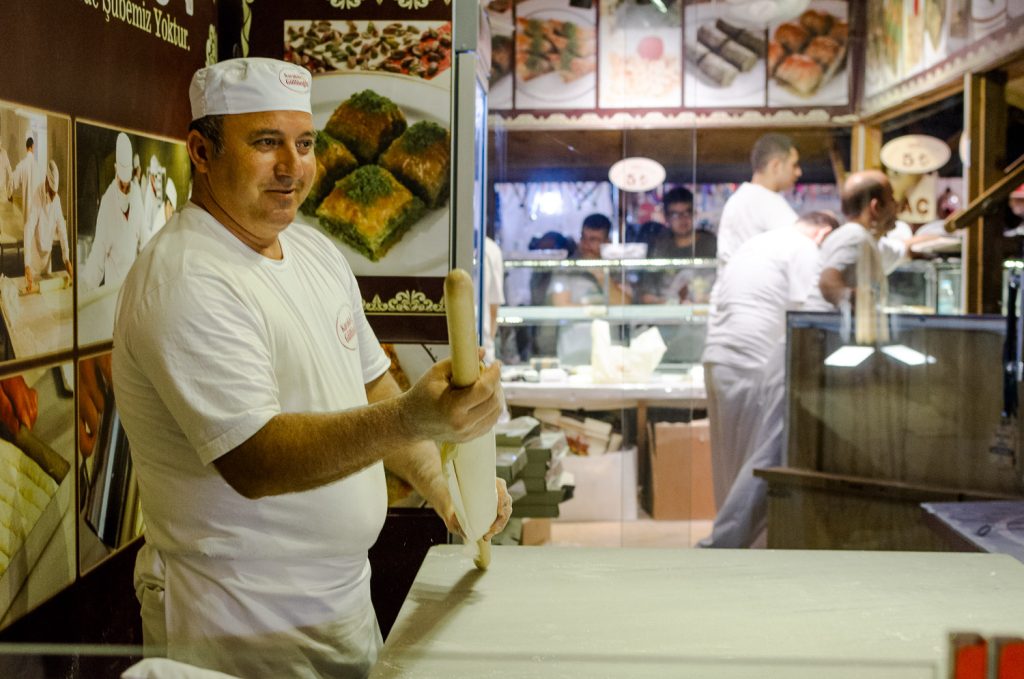
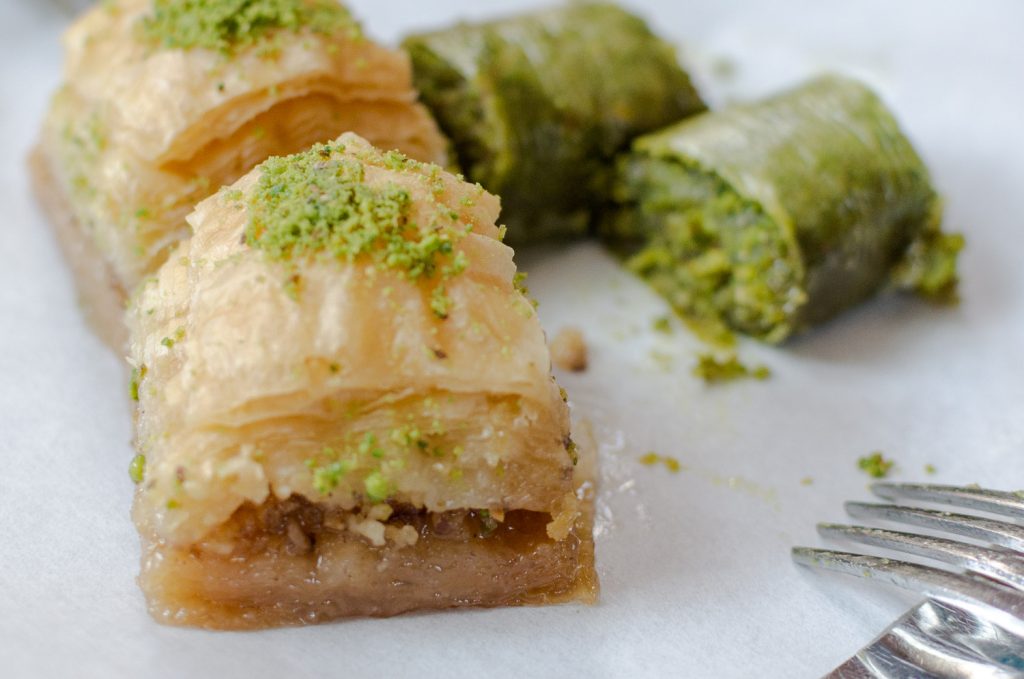
Let’s talk about baklava. If you are not yet familiar with this pastry, you absolutely must try it. This puff pastry made with filo dough and dried fruit (mainly pistachios, almonds, and walnuts) is simply delicious.
Among the most popular dishes in Istanbul, I would mention börek, dolma (stuffed vegetables), different types of kebab such as döner and kumpir, and the many delicious dishes made with dried beans, such as kuru fasulye.
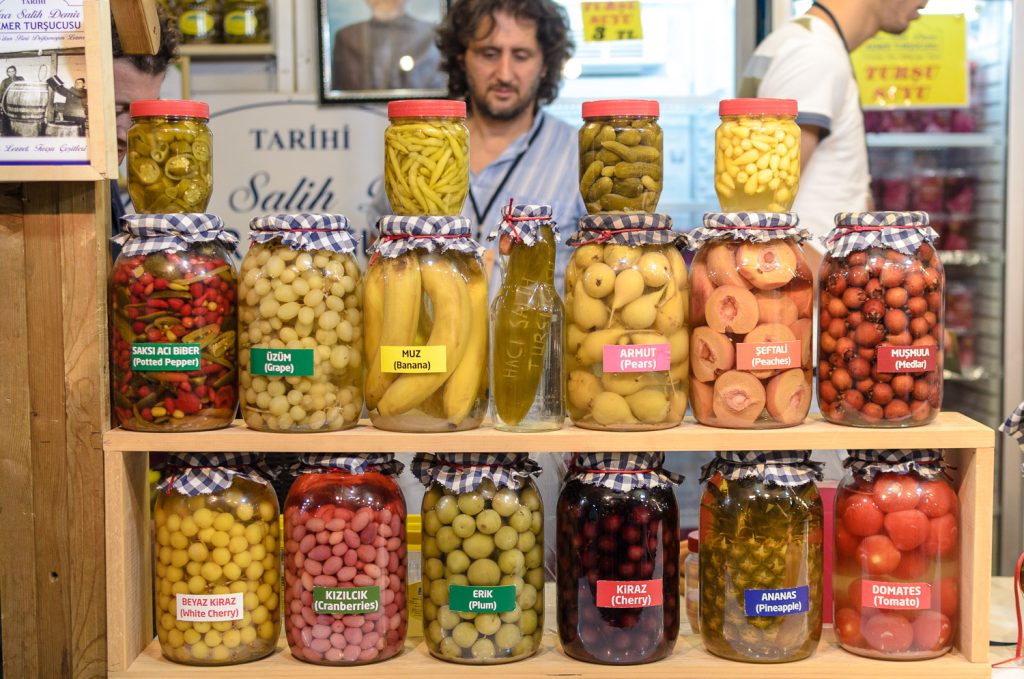
An entire article could be devoted to Turkish cuisine, such is its richness and variety. Not to mention pastries and sweets such as the famous Turkish delight or Lokum. For me, my stay in Istanbul was very much focused on cuisine, restaurants, but also the street food that is very present in the city. I came back from my trip with recipes in my suitcase!
The fishermen of Istanbul’s Galata Bridge
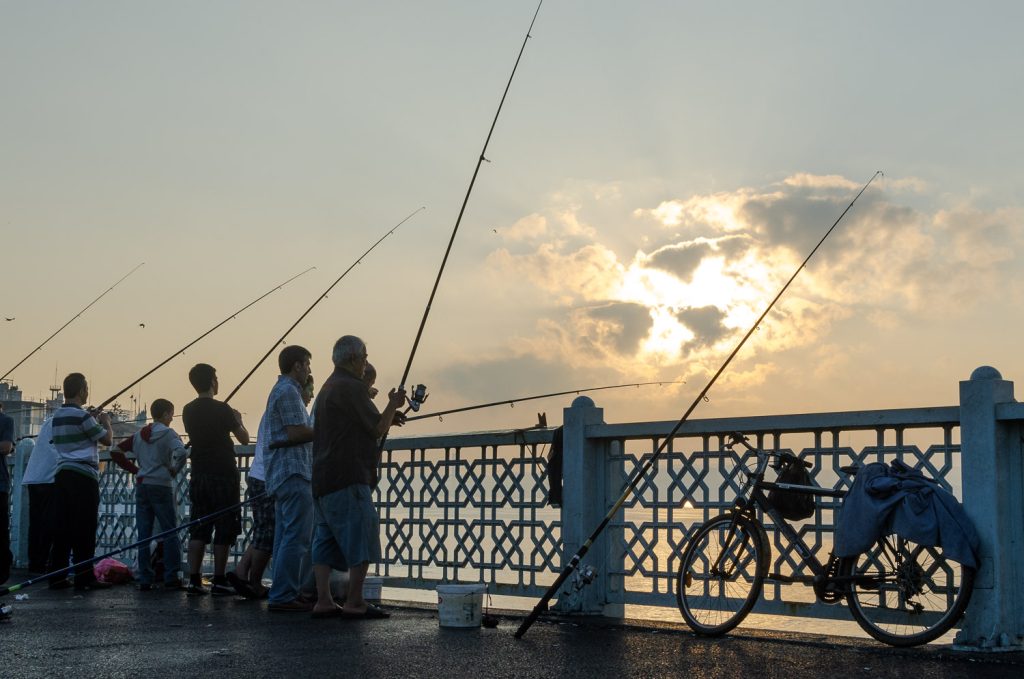
While wandering around Istanbul, I happened to come across the city’s most famous bridge, the Galata Bridge. I must say that it was an experience worth having. I witnessed an incredible spectacle of hundreds of fishermen lined up on the bridge, passers-by strolling around, and, on the lower deck, locals and tourists sitting at tables in the bridge’s many restaurants.
Istanbul’s Galata Bridge was built on the Golden Horn before it flows into the Bosphorus. The bridge connects the historic part of Istanbul to the legendary neighbourhoods of Galata and Beyoğlu, for example. It is therefore a link between the religious and administrative centre of the city and the inhabitants of Istanbul.
The view from both sides of the city is very interesting. In the evening, the bridge, brightly lit and bustling with activity, looks like a cruise ship.
I spent quite a bit of time observing and photographing the fishermen on Galata Bridge. I was particularly impressed by the diversity of the fishermen. Children, young people, adults and elderly people were all mixed together in what looked like a communion. For me, Galata Bridge is one of the most important places to visit in Istanbul.
Istanbul’s pastries
Turkish cuisine has influenced the entire Mediterranean region. During the Ottoman Empire, it travelled from Constantinople to Algiers via Cairo and Tripoli. Dishes such as burek and dolma, which originated in Turkey and are now traditional in the Middle East and North Africa, can be found in all these regions.
I recommend you take advantage of this ancestral cuisine during your four-day trip to Istanbul. I won’t go into detail here about all the Turkish dishes and desserts, as Turkey has so many delicious foods to offer, but I can suggest four pastries that I particularly enjoyed (be careful not to overindulge!).
- Baklava: a puff pastry made with filo dough, dried fruit and honey, a delight for taste buds!
- Halva: a sweet made from sesame paste (tahini) and dried fruit (mainly almonds and pistachios). It can be eaten with a teaspoon or straight from the hand. Be careful not to overindulge (trust me!), as this sweet is very sugary and very fatty!
- Lokum: The most popular sweet in Istanbul, I even visited shops entirely dedicated to lokum, a paradise for those with a sweet tooth! This sweet comes in the form of small, soft and chewy cubes, made from cornflour, honey, rose water and fruit flavourings. There are hundreds of flavours that you won’t be able to try them all.
- Sahlep or salep: This traditional drink is made from wild orchid tubers, milk and cinnamon. It is drunk hot on cold winter evenings.
4-day trip to Istanbul and visit to the Grand Bazaar
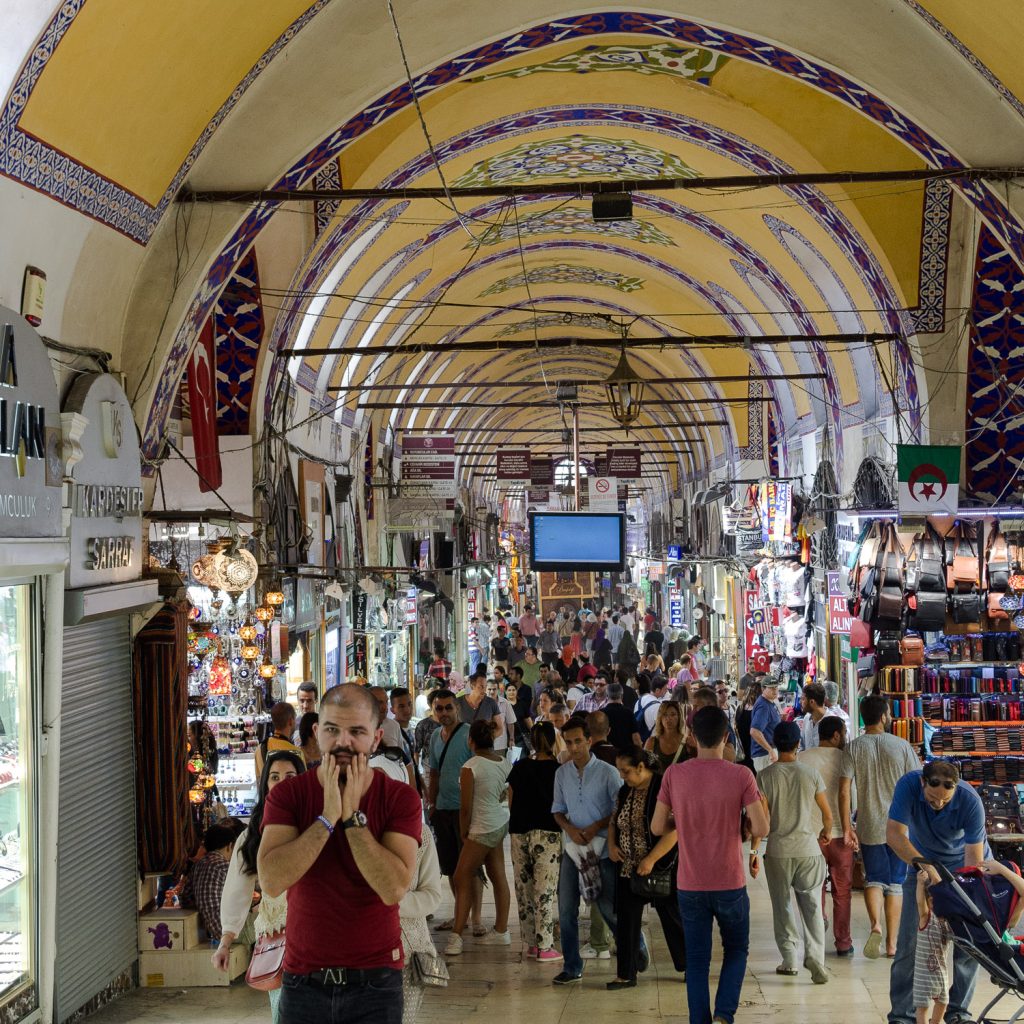
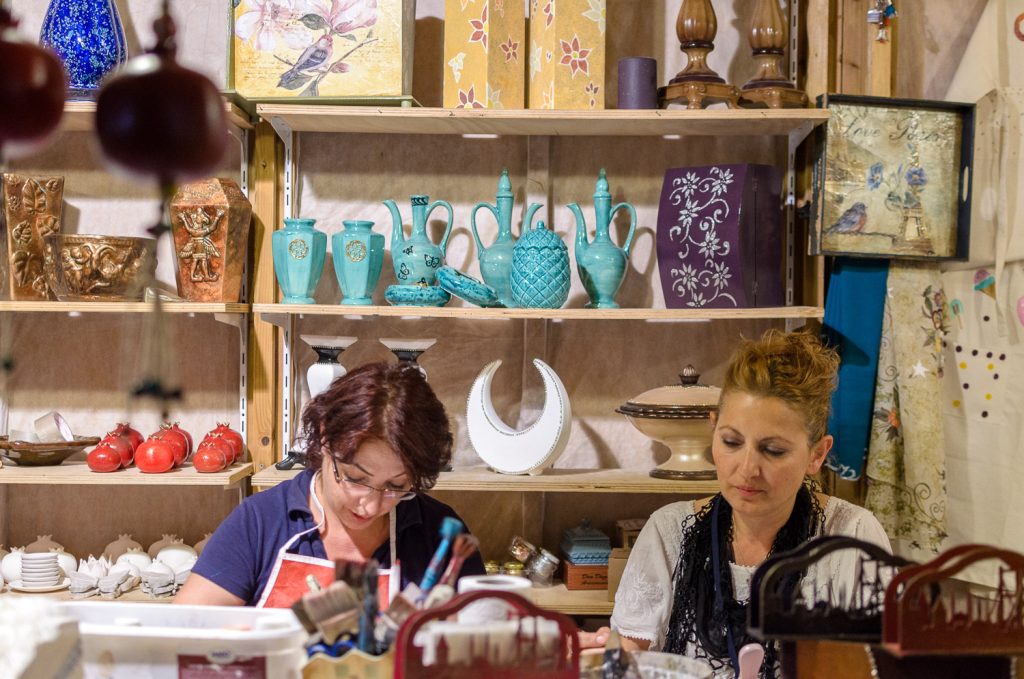
The Grand Bazaar, or covered market, is a must-see attraction in the city. You can’t visit Istanbul without going to the bazaar! And I chose the best time for this visit: during Ramadan!
Visiting the Istanbul Bazaar during Ramadan means getting the full experience! In the evening, the bazaar is teeming with people, both locals and tourists. The streets are full of colours and pleasant smells. You can taste delicious pastries and drink tea or sahlep.
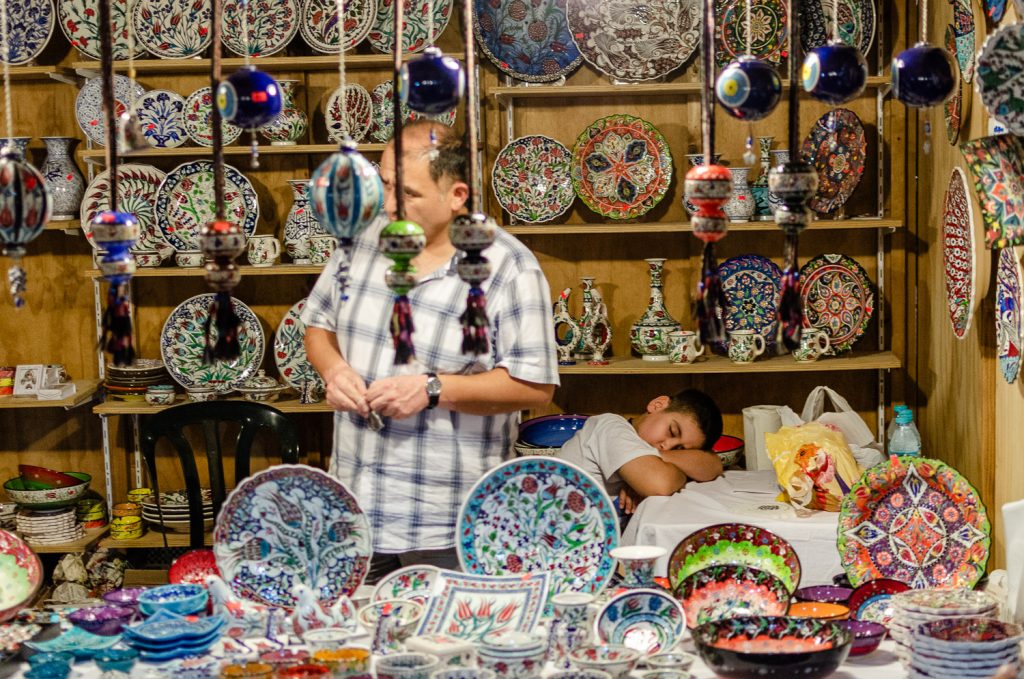
The Istanbul Bazaar is also of architectural interest. The place itself is impressive, with its 65 streets with vaulted ceilings and more than 3,500 shops selling just about everything. Admission is free through any of the market’s 22 gates. Be careful not to get lost, though. If you don’t have GPS, keep in mind the number of the gate you entered through.
I can’t advise you on how much time to spend at the Istanbul market, as it is so vast. The best thing to do is to wander around and follow your instincts. Perhaps this visit should be left until the end of your stay, so you can make the most of the time you have left before heading to Istanbul airport.
Conclusion
My four-day trip to Istanbul was one of my best cultural experiences. I got a wonderful glimpse of Turkey’s rich culture, and I will definitely be going back before visiting other parts of Turkey, such as the province of Izmir and its Roman ruins, the Pamukkale travertines, and the Zelve monastery.
I highly recommend Istanbul, and if you go there after reading this article, feel free to leave us a comment 🙂